

ONLINE SHOP




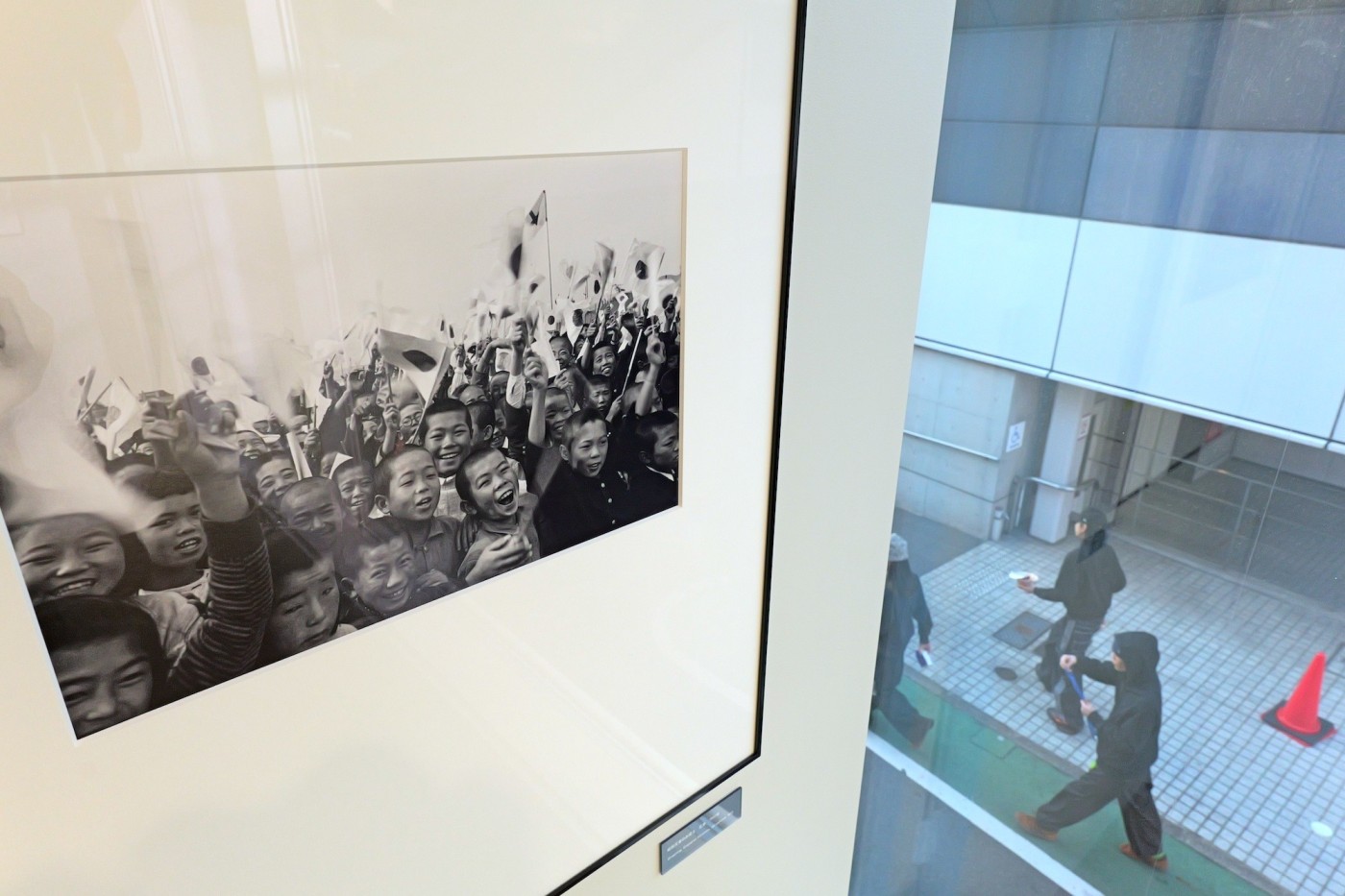
This spring, three Leica Galleries in Japan are offering visitors the opportunity to share a celebration of the photographic legacy of Magnum photographer Werner Bischof (1916-1954).
Produced by Leica Camera Japan, this trio of exhibitions—curated with the insight of Junko Ogawa, former director of Magnum Photos Tokyo—presents the work of Werner Bischof, whose divinely humanistic eye and brief yet remarkably rich international career was honed during the upheaval of the postwar period.
- Leica Gallery Tokyo
- Werner Bischof
- “Post War Era seen by Werner Bischof”
- January 16, 2026 to April 19, 2026
- https://leica-camera.com/en-int/event/leica-gallery-tokyo/Werner-Bischof
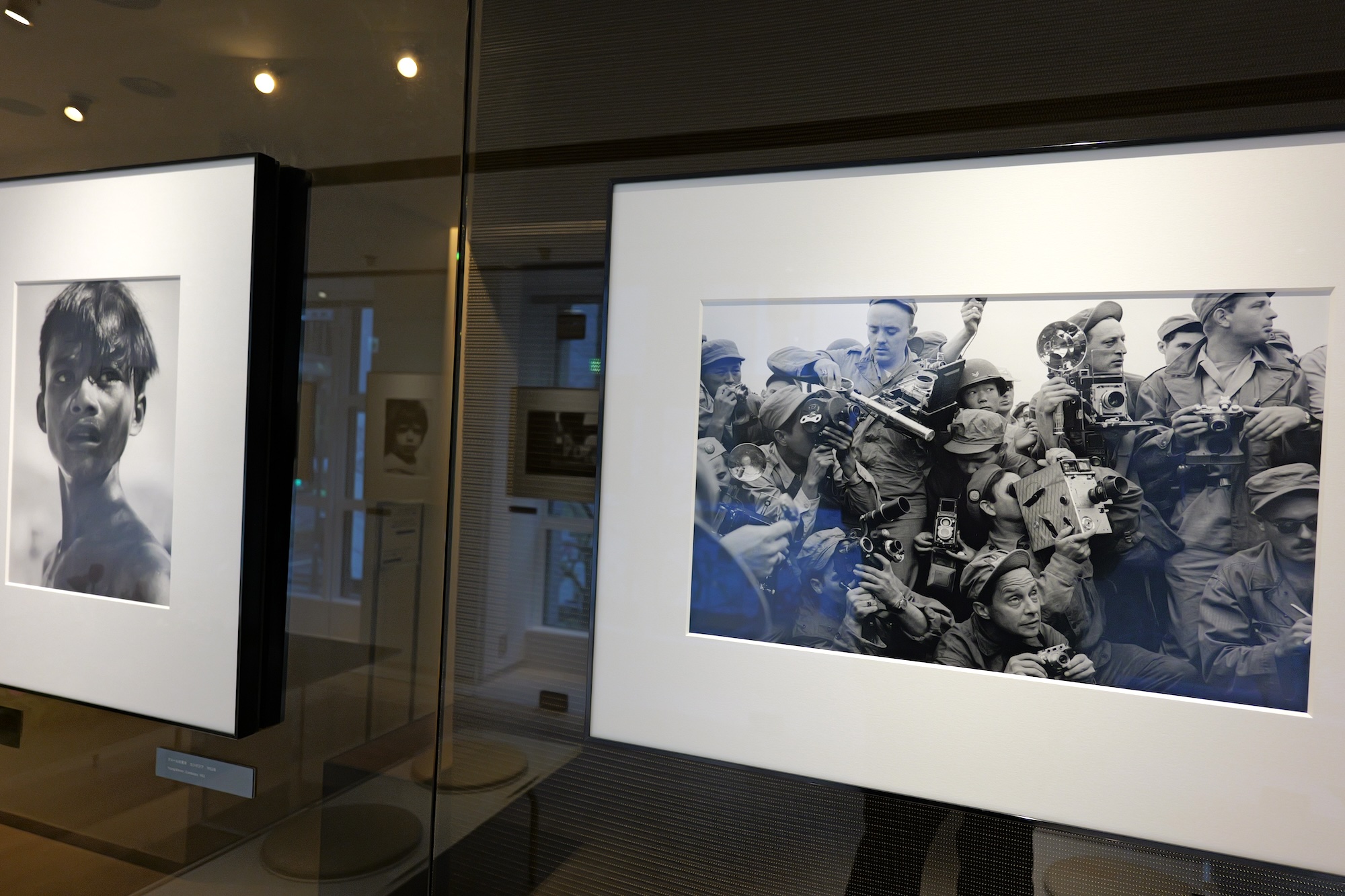
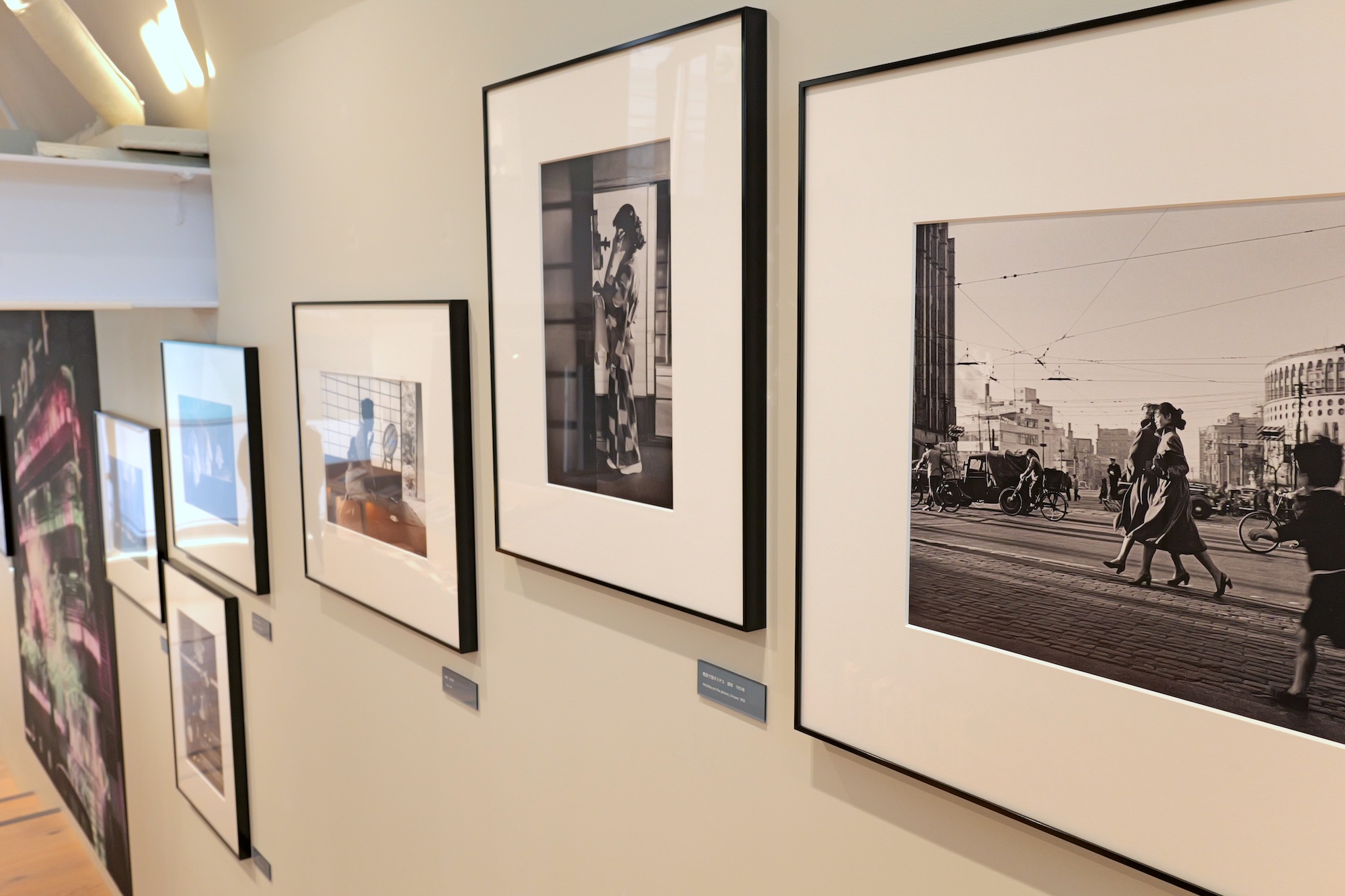
The exhibition in Ginza collects images from Bischof’s postwar travels across Europe and Asia. The large, monochrome prints are smartly matted and hung in rows on either side of the gallery. Such clarity in presentation allows focus on the images themselves. Each is imbued with an essence of humanity that transcends politics, nationality, historical circumstance- and even time itself. Whether depicting children or men engaged in the work of war, the moments Bischof brought to light are supremely, utterly human. They are also profoundly beautiful—silver-gelatin affirmations of his search for harmony and peace in a world sorely lacking both.
- Leica Gallery Omotesando
- Werner Bischof
- “Showa by Bischof – Japan Was Not Japan then.”
- December 5, 2025 – March 3, 2026
- https://leica-camera.com/en-int/event/leica-gallery-omotesando/Werner-Bischof
Omotesando is a stylish, now heavily-touristed part of Tokyo- the liveliness of fashion and affluence of the neighborhood makes for a fascinating contrast of Bischof’s exhibition here.
Coinciding with the 100th anniversary of the founding of the Showa era (1926-1989), “Japan Was Not Japan then” is an presentation of Bischof’s year in Occupied Japan the early 1950s.
Bischof’s love for Japan and sympathy and reverence its people are apparent in each and every picture, here presented as framed black and white prints contrasted for effect with super-enlarged 6x6 color images. His pictures capture an era of transition and uncertainty kept in check by tradition. The approach of viewing Japan through the lens of “ancient and modern” certainly feels old- yet somehow, Bischof’s sensitivity to his environment and subjects gives his pictures an everlasting immediacy. They don’t feel “old” at all- they feel alive.
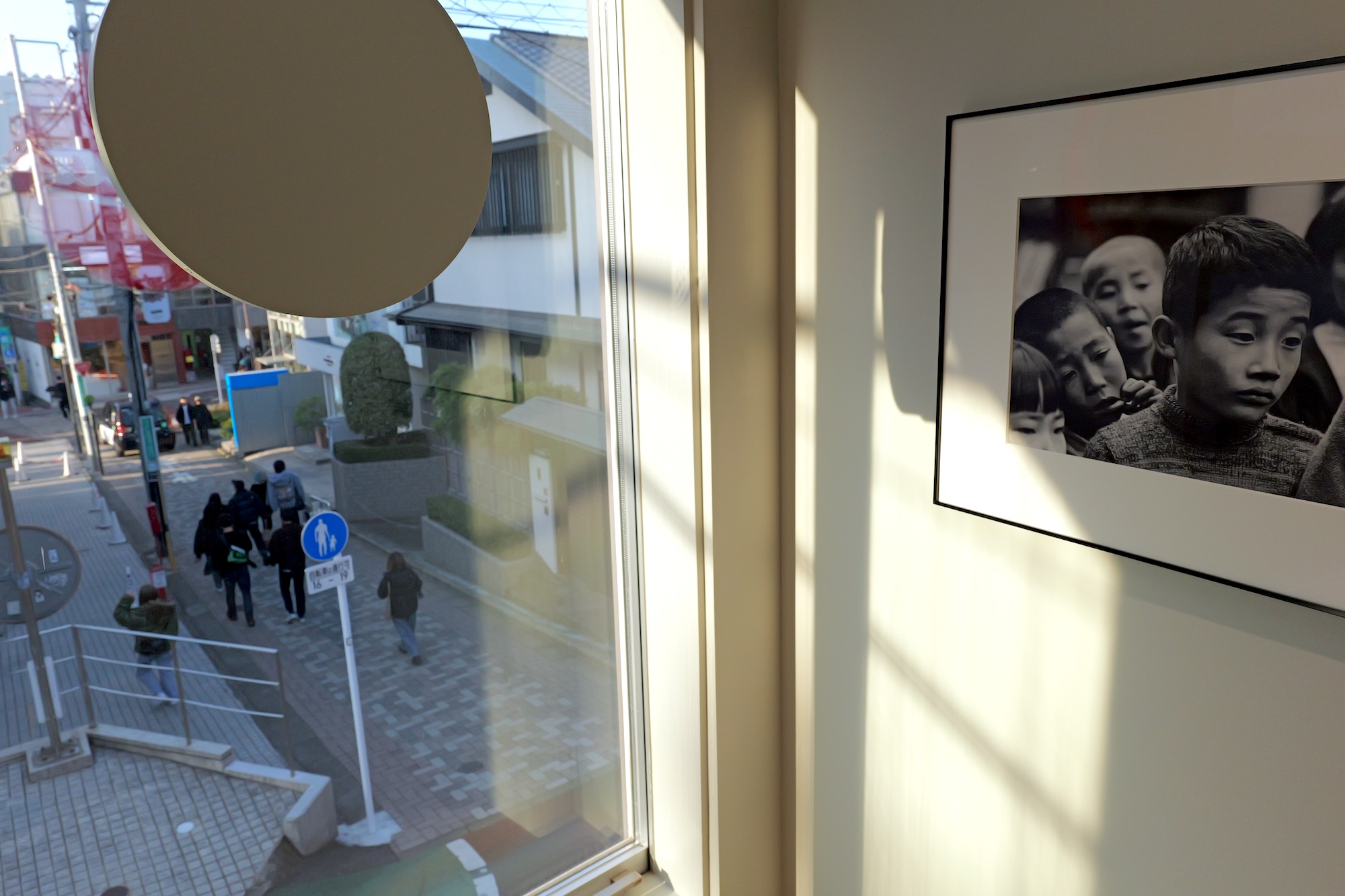
An eloquent and prolific writer, Bischof’s letters and diaries have provided a precious “voice” for his images that continues to provide insight and context for future generations.
The exhibition title, “Japan Was Not Japan then”, is taken from Bischof’s own correspondence. Looking back today it feels that the "Japan" he captured was more authentically Japanese than the Japan we know now. The fact that such a place ever existed is perhaps the most poignant revelation of the exhibition.
- Leica Gallery Kyoto
- Werner Bischof
“Kyoto by Bischof”- January 17, 2026 to April 19, 2026
- https://leica-camera.com/en-int/event/leica-gallery-kyoto/Werner-Bischof
Finally, Leica Gallery Kyoto is holding a concurrent exhibition of Bischof’s work taken in the city at their gallery in Gion. While I am unfortunately unable to attend this exhibition myself, should you find yourself in Kyoto any time before April 19th, definitely make a visit!
For those of you who cannot make it to Tokyo to see these works in person, Bischof’s son, Marco, has created a website of his father’s work. In addition to a generous selection of photographs, the website features many of Bischof’s writings on his situations and subjects at hand. You can see it here: https://wernerbischof.com/
この春、日本国内の3つのライカギャラリーでは、マグナム・フォト所属の写真家、ワーナー・ビショフ(1916–1954)の写真遺産を讃える展覧会が開催されています。
ライカカメラジャパン主催の本展は、元マグナム・フォト東京ディレクターである小川潤子氏の洞察をもとにキュレーションされた、3部構成の展示となっています。戦後という激動の時代のなかで磨かれた深い人間愛に満ちた眼差しと、短くもきわめて豊かな国際的キャリアをもつ写真家、ワーナー・ビショフの作品を紹介しています。
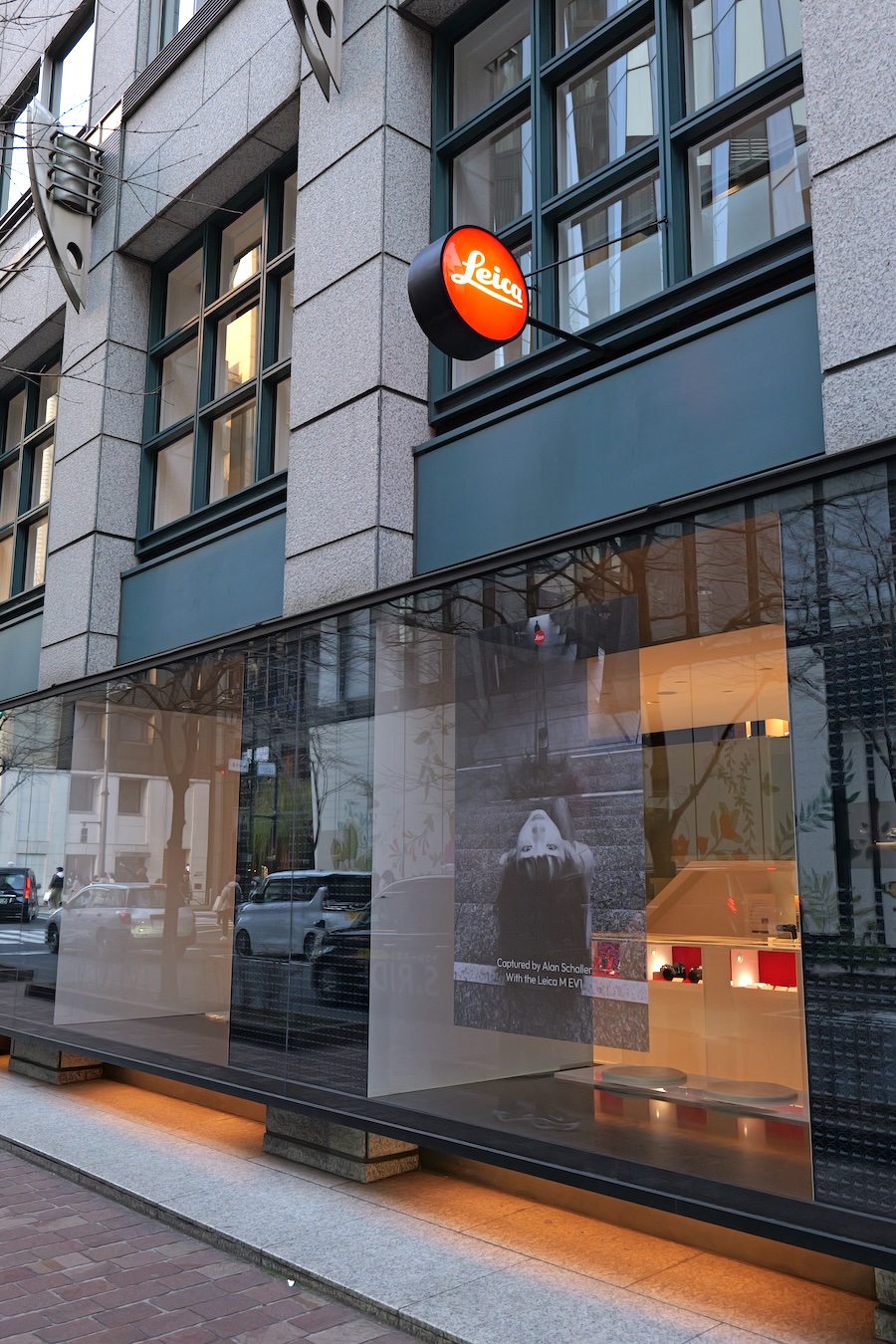
銀座にあるライカギャラリー東京での展示は、ビショフが戦後にヨーロッパおよびアジアを巡るなかで撮影した作品群によって構成されています。大判のモノクロプリントは洗練されたマットに収められ、ギャラリーの両側の壁に整然と展示されています。鑑賞者の視線を自然と写真そのものへと導く、明快な構成です。それぞれの写真には政治や国籍、歴史的背景、さらには時間さえも超越する人間性の本質が宿っています。
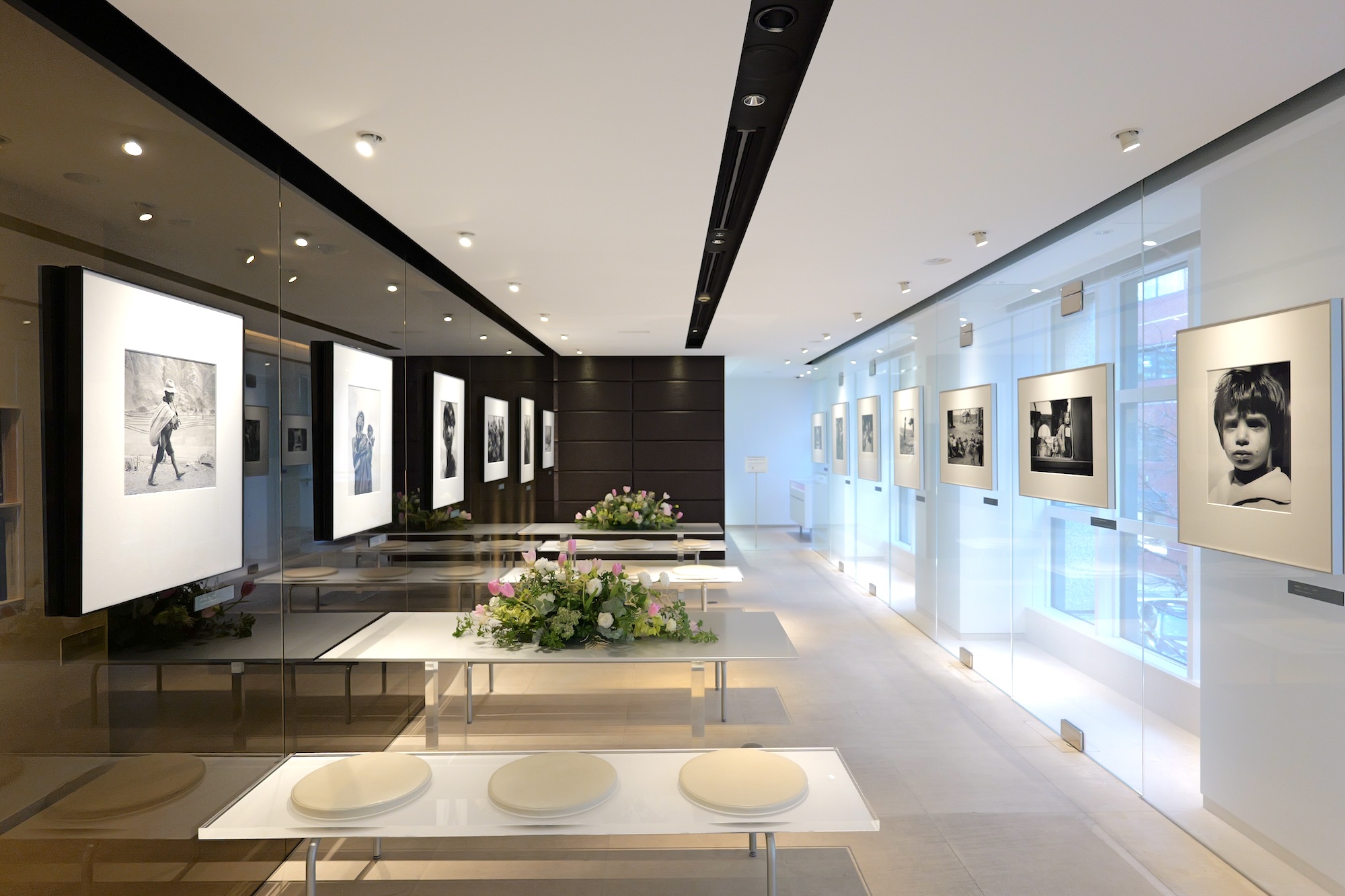
子どもであれ、戦争という現実に関わる男たちであれ、ビショフが捉えた瞬間は、きわめて、そして徹底的に「人間的」であると同時に、それらは深い美しさを湛えています。調和と平和を求め続けた彼の希求が、欠落に満ちた世界のなかで、銀塩写真として静かに結実しています。
- ライカギャラリー東京(ライカ銀座店2F)
- ワーナー・ビショフ写真展「ビショフの見た戦後 ~普遍たるもの~」
- 2026年1月16日(金)〜4月19日(日)
- https://leica-camera.com/ja-JP/event/leica-gallery-tokyo/Werner-Bischof
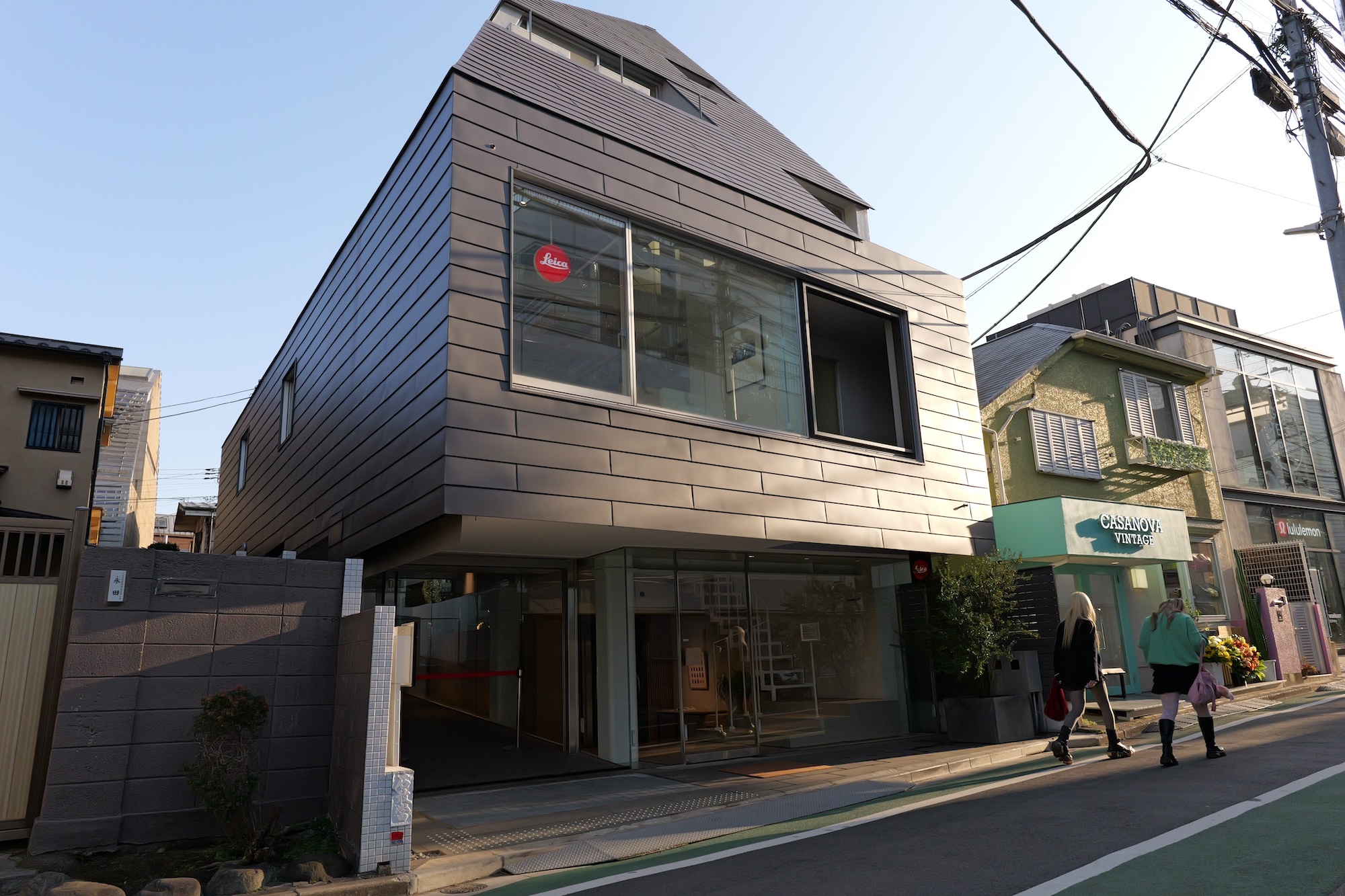
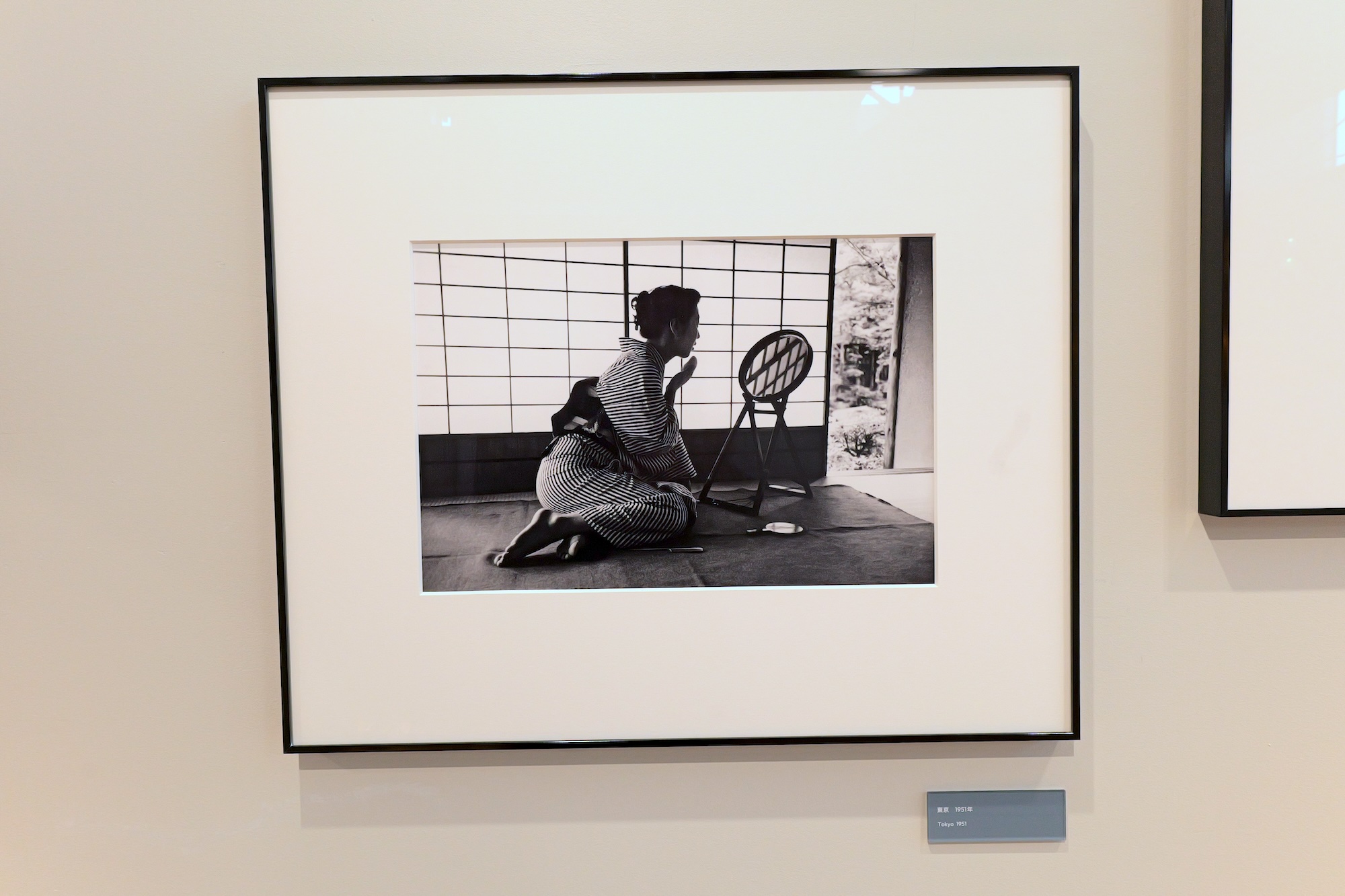
表参道は、現在では多くの観光客で賑わう、東京でも屈指の洗練されたエリアです。ファッションと豊かさに満ちたこの街の活気は、この地で展示されるビショフの作品と興味深い対照を成しています。昭和(1926–1989)の始まりから100年という節目に合わせて開催される本展「ワーナー・ビショフの昭和 ~日本が日本でなかったあの頃~」は、1950年代初頭、占領下の日本で過ごしたビショフの1年を紹介するものとなっています。
日本への愛情、そして人々に対する共感と敬意は、すべての写真から明確に伝わってきます。本展では、額装されたモノクロプリントに加え、効果的に展示された6×6判からの超大判のカラープリントも展示されています。それらの写真は、伝統によってかろうじて均衡を保つ、移行期と不確かさの時代を鮮やかに捉えているのです。
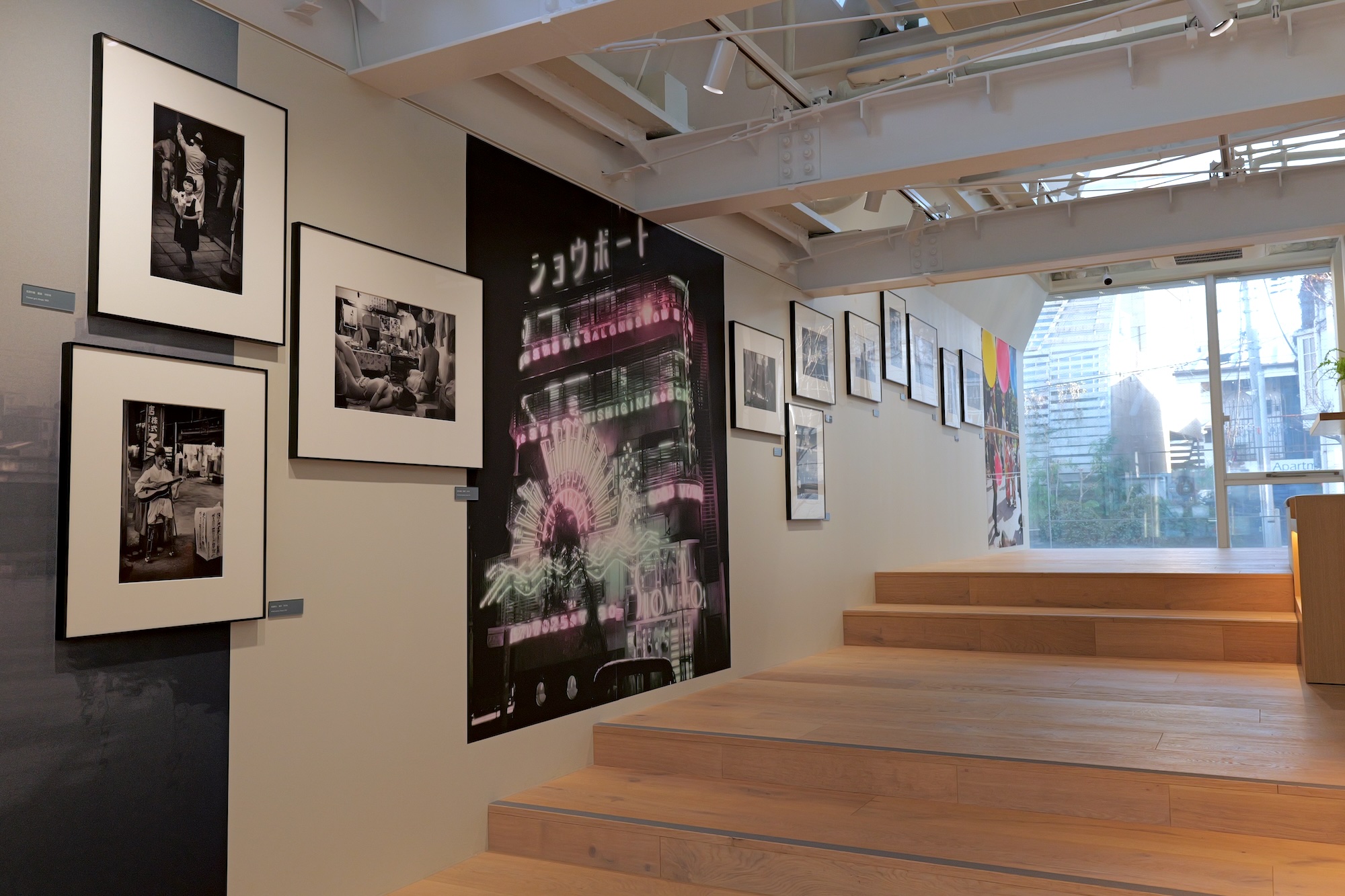
「古きものと新しきもの」という視点で日本を見ること自体は、古典的に感じるでしょう。しかし、ビショフの環境や被写体に対する鋭敏な感受性は、写真に時代を超えた即時性を与えています。それらは決して「古い」とは感じられません。むしろ、生きているんです。
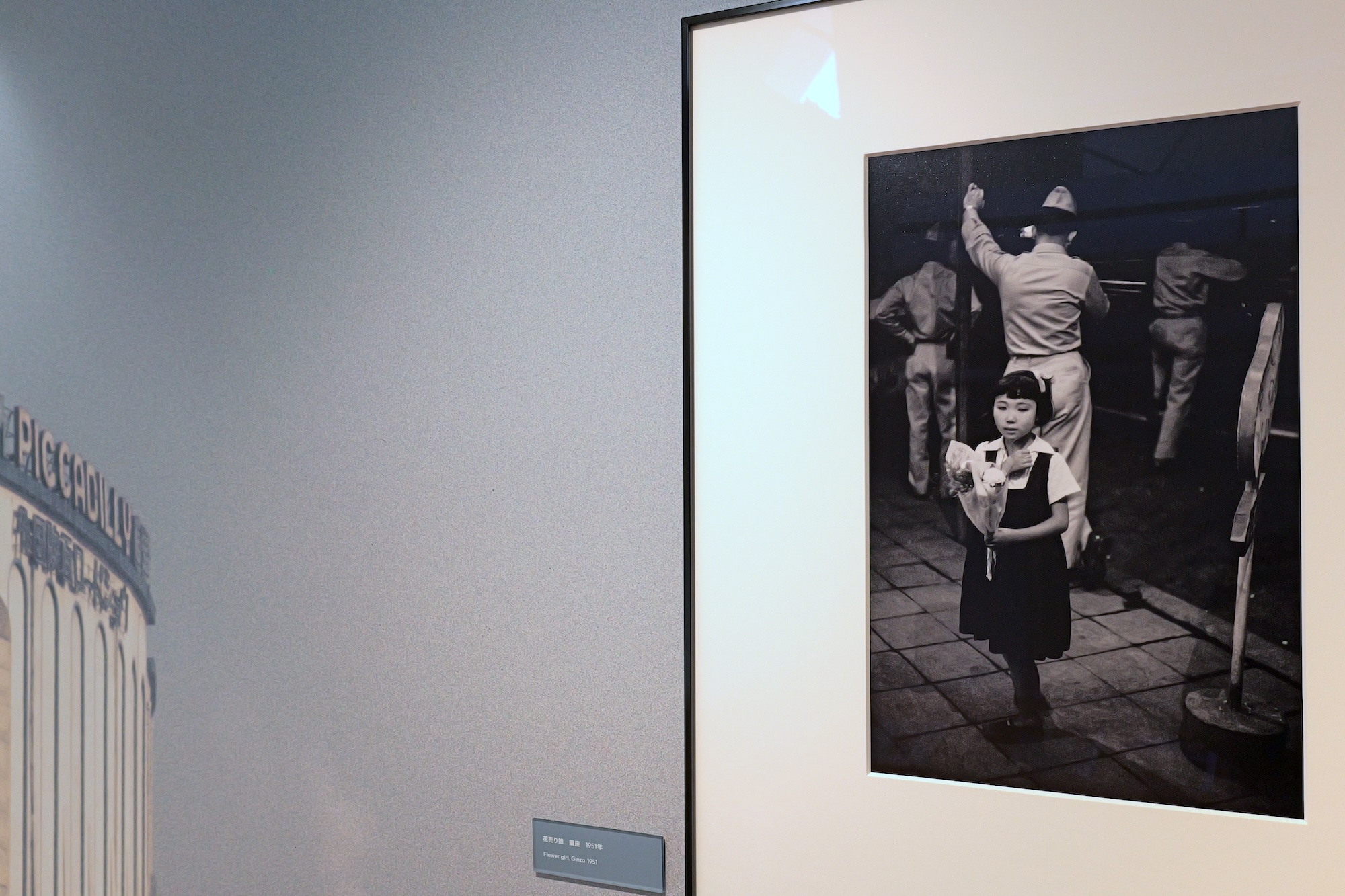
本展のタイトルは、ビショフが遺した書簡の中に綴られた言葉に基づいています。今日、私たちが彼の捉えた「Japan」を振り返ると、そこには現代の「日本」が失ってしまった、より純粋で、息を呑むほど日本らしい光景が広がっています。かつてそのような場所が確かに存在していたという事実は、本展が私たちに投げかける、最も切実で胸を打つメッセージとなるでしょう。
- ライカギャラリー表参道 (ライカ表参道店2F)
- ワーナー‧ビショフ写真展「ワーナー‧ビショフの昭和 ~日本が日本でなかったあの頃~」
- 2025年12月5日(金)〜2026年3月3日(火)
- https://leica-camera.com/ja-JP/event/leica-gallery-omotesando/Werner-Bischof
最後に、京都・祇園にあるライカギャラリー京都では、京都で撮影されたビショフの作品による展示が行われています。残念ながら私は本展を見ることはできないと思いますが、4月19日までに京都を訪れる機会があるなら、ぜひ足を運んでほしいです。
- ライカギャラリー京都 (ライカ京都店2F)
- ワーナー・ビショフ写真展「ビショフが見た京都」
- 2026年1月17日(土)〜4月19日(日)
- https://leica-camera.com/ja-JP/event/leica-gallery-kyoto/Werner-Bischof
各地に足を運ぶことができない方のために、ビショフの息子であるマルコ・ビショフ氏が、ワーナー・ビショフの作品を紹介するウェブサイトを制作しています。
豊富な写真作品に加え、ビショフ自身による文章も数多く掲載されており、彼が置かれた状況や被写体へのまなざしを、より深く知ることができます。


2026/02/06
〉Vol.42 Werner Bischof at Leica Gallery Tokyo, Omotesando and Kyoto ワーナー・ビショフ写真展(ライカギャラリー東京、表参道、京都)
2026/01/31
2025/11/08
〉Vol.40 藤岡亜弥|Aya Fujioka「Life Studies」、荒木塁|Lui Araki 「Color/Scape」
2025/10/03
〉Vol.39 榎本八千代|Yachio Enomoto「家族写真 / Family Photo」
2025/09/05
2025/05/23
〉Vol.37 Tamiko Nishimura "Looking Back" 西村多美子「追想」
2025/03/22
〉Vol.36 ハービー・山口|Herbie Yamaguchi「Somewhere Sometimes in Japan」
2025/01/31
〉Vol.35 金村 修|Osamu Kanemura + ori.studio「Gate Hack Eden」
2024/10/04
〉Vol.34 Bharat Sikka / バハラ・シッカ「SOUVENIR SHOP」
2024/09/06
〉Vol.33 Hiroyoshi Yamazaki 山崎弘義「Outskirts」
2024/08/10
〉Vol.32 Hayato Nishimura / 西村勇人 "Mounds"
2024/06/21
〉Vol.31 Masahisa Fukase Exhibition「深瀬昌久展」
2024/04/19
〉Vol.30 Jun Abe "Kokubyaku Note" 阿部 淳 「黒白ノート」
2024/03/29
〉Vol.29 Tsutomu Yamagata "My Little Cosmos" 山縣 勉「私の小さな宇宙」
2024/03/08
〉Vol.28 Nobuyoshi Araki "Longing for Peace" 荒木経惟「ずーっと冬 春は来ない」
2024/01/19
〉Vol.27 Risa Uzuki "Opaque Beast" 卯月梨沙「不透明なけもの」
2023/12/08
〉Vol.26 Leap Before You Look: Contemporary Japanese Photography vol. 20 「日本の新進作家展vol.20 見るまえに跳べ」
2023/11/17
〉Vol.25 Takahiro Mizushima "Memoirs of Huandao" 水島貴大「環島回憶錄」
2023/10/13
〉Vol.24 ERIC "Tokyo Superdeep Borehole" 東京超深度掘削坑
2023/09/22
〉Vol.23 Ryuhei Nakashima 中嶋琉平 写真展「come into this crossing」
2023/08/18
〉Vol.22 Daisuke Yokota 横田大輔「multiplication」
2023/07/28
〉Vol.21 Kineo Kuwabara “Showa 6x6” 桑原甲子雄 写真展「昭和6×6」
2023/07/07
〉Vol.20 In Praise of Quantity 膨大な写真が埋め尽くす写真展の考え方
2023/06/09
〉Vol.19 "Masahisa Fukase | The Whimsical and Eye" 「深瀬昌久展|眼差しと遊戯」
2023/05/12
〉Vol.18 Keijiro Kai “Clothed in Sunny Finery” 甲斐啓二郎「綺羅の晴れ着」
2023/04/14
〉Vol.17 John Sypal "Nebraska Life" ジョン・サイパル
2023/03/17
〉Vol.16 Hiroyoshi Yamazaki "Smell on the Streets" 山崎弘義「路上の匂い」
2023/02/17
〉15 Kineo Kuwabara, Hiroshi Hamaya "1930s Tokyo" 桑原甲子雄・濱谷 浩 作品展 「東京 1930年代」
2023/01/20
〉14 "LIFE Ⅲ -Days with pictures" 「LIFE −写真のある生活 Ⅲ」
2022/12/16
〉Vol.13 Yoshihito Muta “Anpontan Pokan, Yin and Yang” 牟田義仁「アンポンタン・ポカン、陰に陽に」
2022/11/18
2022/10/21
〉Vol.11 Mitsuru Sato "Yesterday"佐藤充「昨日」
2022/09/16
〉Vol.10 Eiji Ishikawa "stolen time" 石川栄二「stolen time」
2022/08/19
〉Vol.09 Shinya Arimoto "Tokyo Strut" & "Tokyo Circulation/Tokyo Strut" 有元伸也 写真展二箇所同時開催
2022/07/22
〉Vol.08 Risaku Suzuki "Winter to Spring" 鈴木理策「冬と春」 @タカ・イシイギャラリーcomplex665
2022/06/24
〉Vol.07 Maki Morimoto "Watashi no Mori" 森本眞生 「わたしの森」@エプサイト
2022/05/27
〉Vol.06 Chikashi Suzuki "tai to yu" 鈴木親「体(たい)と用(ゆう)」@flotsam books
2022/04/29
〉Vol.05 Tomona Hayashi "Fragment light" 林朋奈「フラグメントライト」 @サードディストリクトギャラリー
2022/04/01
〉Vol.04 Shinobu Imao "mirage" 今尾偲「蜃気楼」@RED Photo Gallery
2022/03/04
〉Vol.3 Herbie Yamaguchi "TOKYO EYES" @SUPER LABO
2022/02/04
〉Vol.2 Nobuyoshi Araki × artspace AM
2022/01/07
2021/12/03
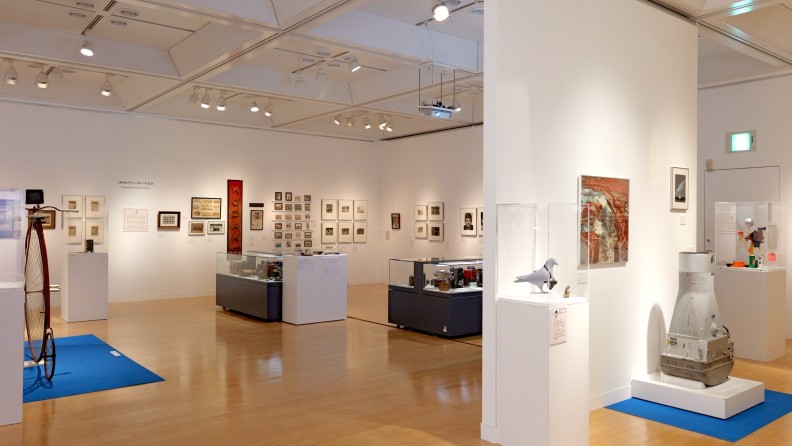 Vol.43 Azamino Photo Annual 2026 Yokohama Civic Art Gallery Azamino 20th Anniversary Exhibition : Mr. Naylor’s Wunderkammer あざみ野フォト・アニュアル2026 開館20周年記念 横浜市所蔵カメラ・写真コレクション展「Mr.ネイラーの驚異の部屋」
2026/02/06
Vol.43 Azamino Photo Annual 2026 Yokohama Civic Art Gallery Azamino 20th Anniversary Exhibition : Mr. Naylor’s Wunderkammer あざみ野フォト・アニュアル2026 開館20周年記念 横浜市所蔵カメラ・写真コレクション展「Mr.ネイラーの驚異の部屋」
2026/02/06
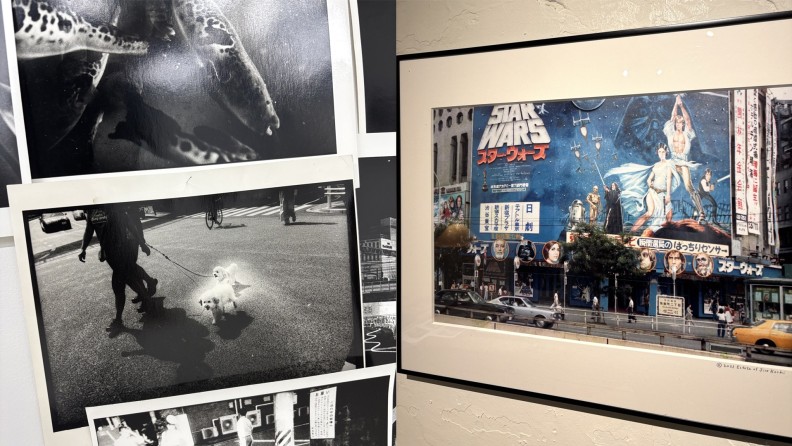 Vol.41 中嶋琉平|Ryuhei Nakashima「Asia, New York, and Tokyo」、高地二郎|Jiro Kochi「GINZA: Through the eye of a Salaryman 1950-1990」
2025/11/08
Vol.41 中嶋琉平|Ryuhei Nakashima「Asia, New York, and Tokyo」、高地二郎|Jiro Kochi「GINZA: Through the eye of a Salaryman 1950-1990」
2025/11/08
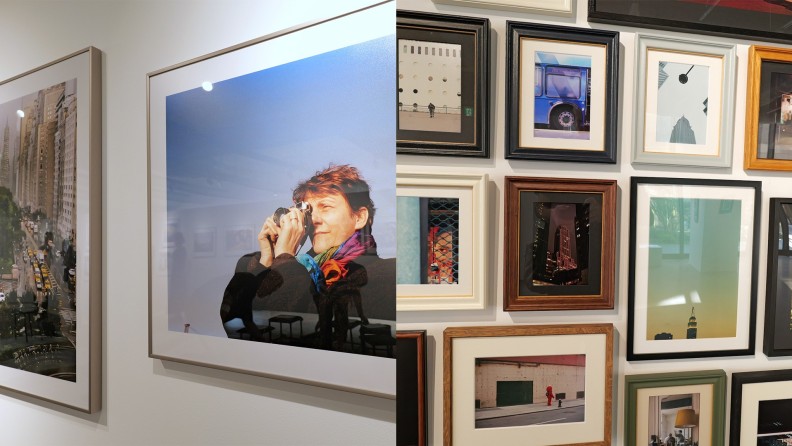 Vol.40 藤岡亜弥|Aya Fujioka「Life Studies」、荒木塁|Lui Araki 「Color/Scape」
2025/10/03
Vol.40 藤岡亜弥|Aya Fujioka「Life Studies」、荒木塁|Lui Araki 「Color/Scape」
2025/10/03


PCT Membersは、Photo & Culture, Tokyoのウェブ会員制度です。
ご登録いただくと、最新の記事更新情報・ニュースをメールマガジンでお届け、また会員限定の読者プレゼントなども実施します。
今後はさらにサービスの拡充をはかり、より魅力的でお得な内容をご提供していく予定です。
 「Photo & Culture, Tokyo」最新の更新情報や、ニュースなどをお届けメールマガジンのお届け
 書籍、写真グッズなど会員限定の読者プレゼントを実施会員限定プレゼント